





















Quick assessment
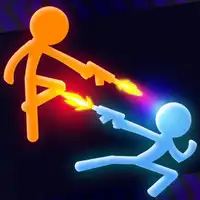
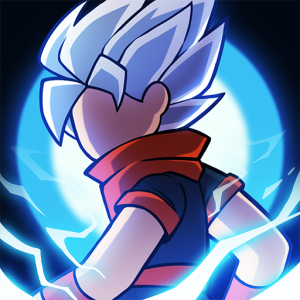
Stickman Dragon Fight is a nimble, anime-flavored 2D fighter that prioritizes fast reflex combat and light RPG progression over heavyweight simulation. The game leans on clear visuals, punchy special moves, and simple upgrade loops so short sessions feel rewarding. If you enjoy one-on-one or small team brawls where energy management and timing matter more than long combo strings, this delivers satisfying moments with minimal setup.
Gameplay loop
Matches are short and tense, centered on a repeating rhythm: apply pressure with basic attacks and movement, build ki energy, then spend that energy on decisive specials while defending and dodging incoming threats. Story mode helps you learn enemy patterns and unlock content, while Versus and Tournament modes let you test teams against other lineups. Each fight revolves around three core tasks:
- Pressure and positioning: use movement and basic attacks to open opportunities or bait mistakes.
- Ki management: build energy with basic hits, then use it for stronger skills at the right moment.
- Defense and evasion: block and dodge to avoid big damage and create windows to punish recovery.
Between fights you upgrade characters and unlock additional fighters using coins earned in missions and challenges, and you can experiment with team compositions in 3v3 encounters. The loop rewards short-term wins in matches and longer-term investment in character abilities.
Desktop controls
The game provides a compact control set on desktop. Use these keys unless the in-game bindings differ:
- Move: A / D keys
- Attack: Space key (basic attack)
- Defend: B key (protective shield)
- Dodge: F key (roll/evade)
- Power up (Ki): Z key (charge energy)
- Special skills: Q, W, R keys (character-specific skills)
Timing matters: well-timed blocks reduce incoming damage and dodges can create windows for counterattacks. If the startup control overlay or on-screen prompts show different bindings, follow those instead of assuming alternate keys.
Mobile and touch controls
On mobile, keyboard input is replaced by on-screen controls. Movement is handled by touch navigation keys, attacks use an on-screen attack button, and special skills and shields are typically shown as additional on-screen buttons. Exact placement and labels vary by device and screen size, so rely on the on-screen prompts when you first play.
Touch play emphasizes quick taps and swipes—dodge and block timing still matters, and charging Ki typically requires holding the relevant touch control rather than tapping.
Practical tips
- Build ki with safe light attacks: use basic hits to fill your ki meter before committing to risky specials. A full bar often nets better payoff than repeatedly firing half-charged moves.
- Learn one character’s rhythm first: the roster can be sizable in some versions (up to 80 characters in different releases). Master a single fighter’s movement, block timing, and a couple of signature specials before frequently switching.
- Use dodge to reset pressure: rolling can reposition you and create openings for combos, but avoid predictable dodges since they can be punished.
- Coordinate in team modes: combine complementary roles—for example, a sturdier teammate to absorb pressure with a high-damage special user—to get more consistent results than stacking similar characters.
Difficulty and experience assessment
Learning curve
Moderate. Basic controls are approachable, but meaningful play comes from mastering timing, ki management, and when to use specials.
Pace
Fast. Matches are short and action-focused; the emphasis is on reflexes and quick decision-making rather than long technical combos.
Frustration
Manageable. Story mode and early content are forgiving, while competitive Versus and Tournament play can feel punishing until you learn counters and team composition.
Replay value
Good for players who enjoy collecting and experimenting. Unlocking fighters and upgrading abilities provide motivation to replay Story missions and daily challenges. If you prefer deep technical fighters, this will feel lighter; if you like brisk skirmishes with steady progression, it holds up well.
Who it’s for
This is best suited to players who enjoy anime-inspired 2D fighting with RPG-lite progression. It sits closer in spirit to stylized arcade brawlers than to simulation-heavy fighters, and it appeals to casual-to-mid-core players who want short fights, team tactics, and clear progression rewards.
Related games worth trying
These selections share a genre, control style, or play rhythm with this game.